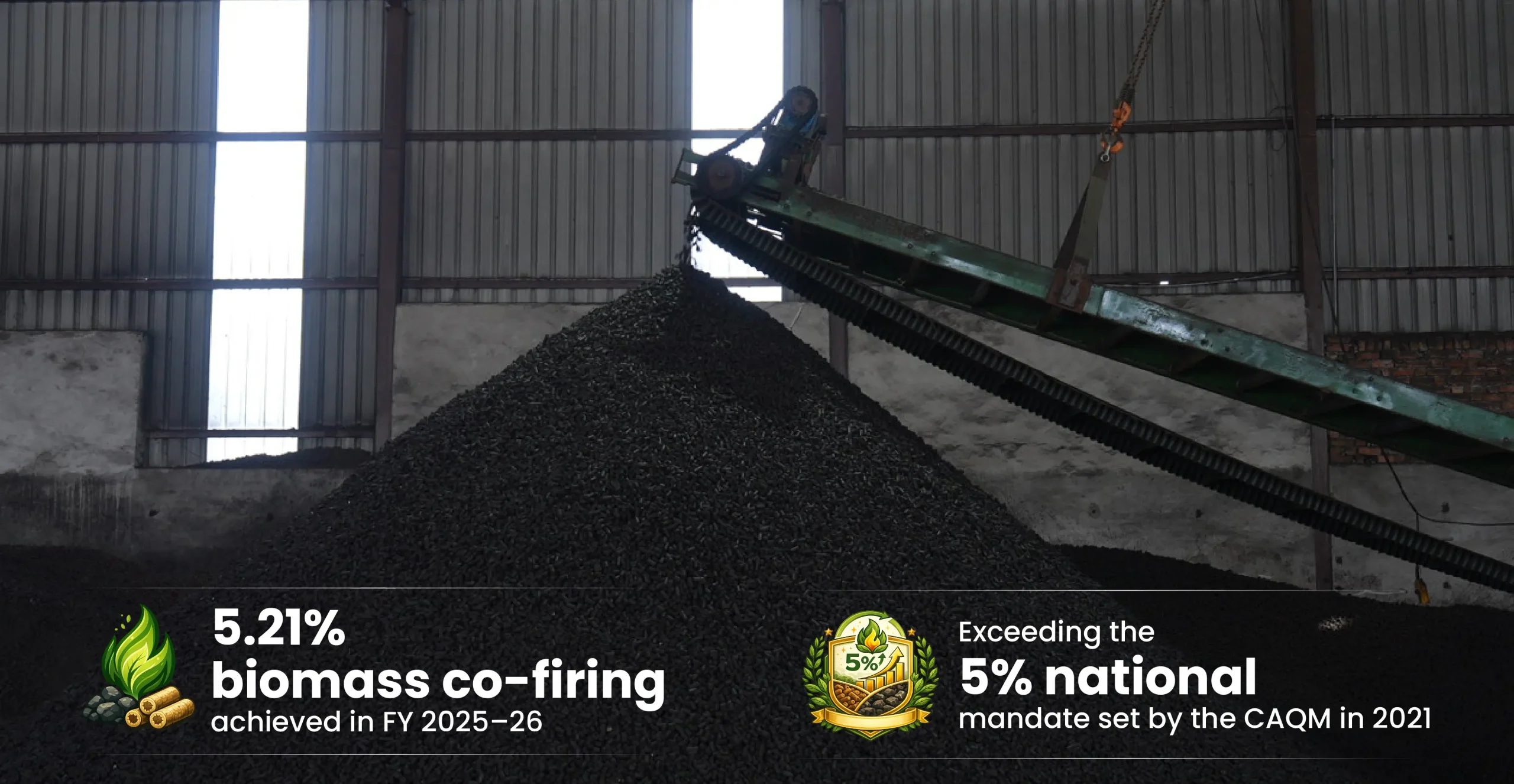
The Stubble-to-Biofuel Project has not only been recognised regionally by the local authorities of Mansa District but also nationally by SAMARTH (National Mission on Use of Biomass in Coal Based Thermal Power Plants) by Ministry of Power, and featured by the global trade body International Chamber of Commerce as a ‘Clean Energy Model’. It aligns with the stated goals of the Ministry of Power and the Ministry of Environment, Forest and Climate Change, and is being studied as a practical, scalable template for industrial-scale circular economy in India.
"
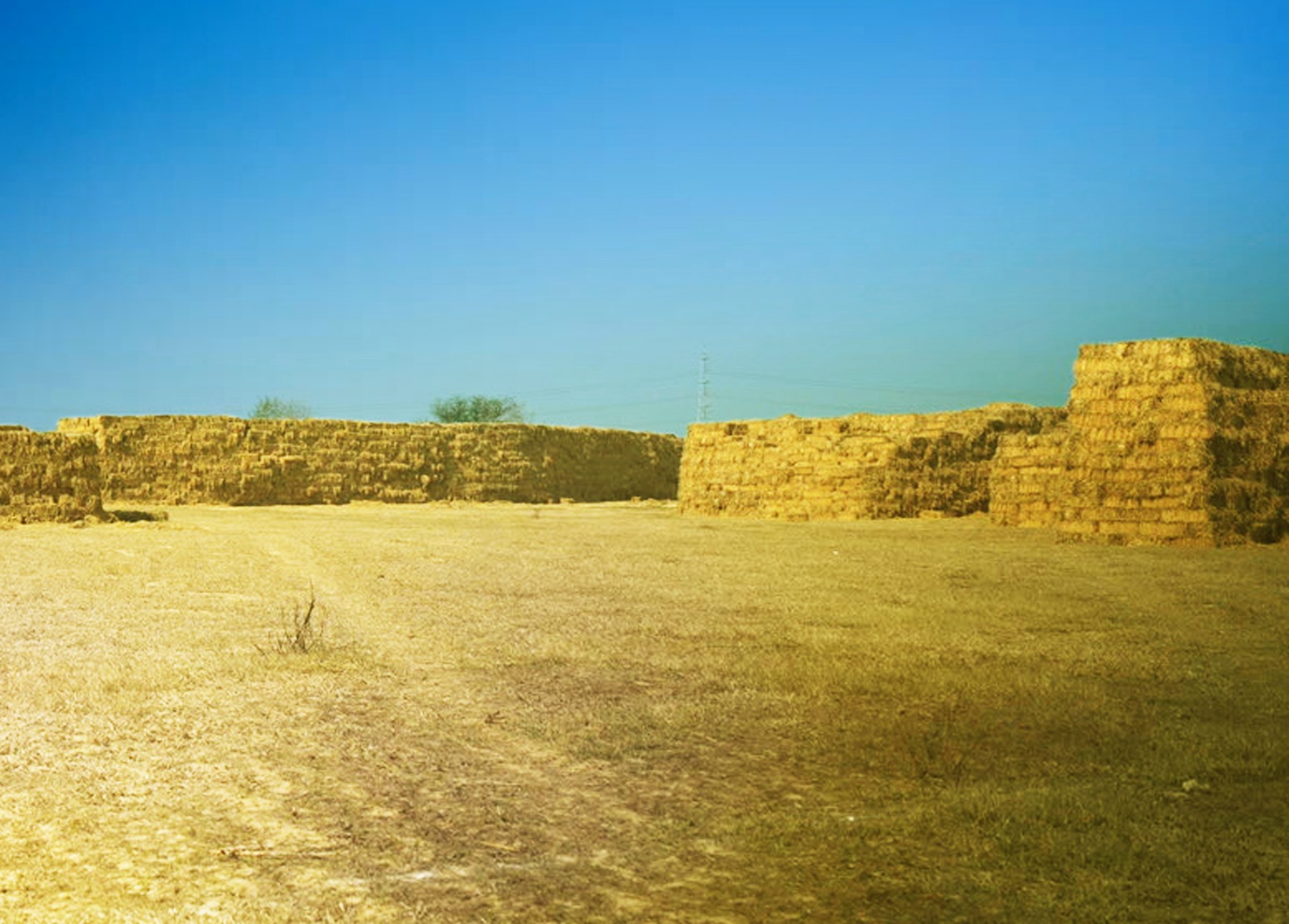
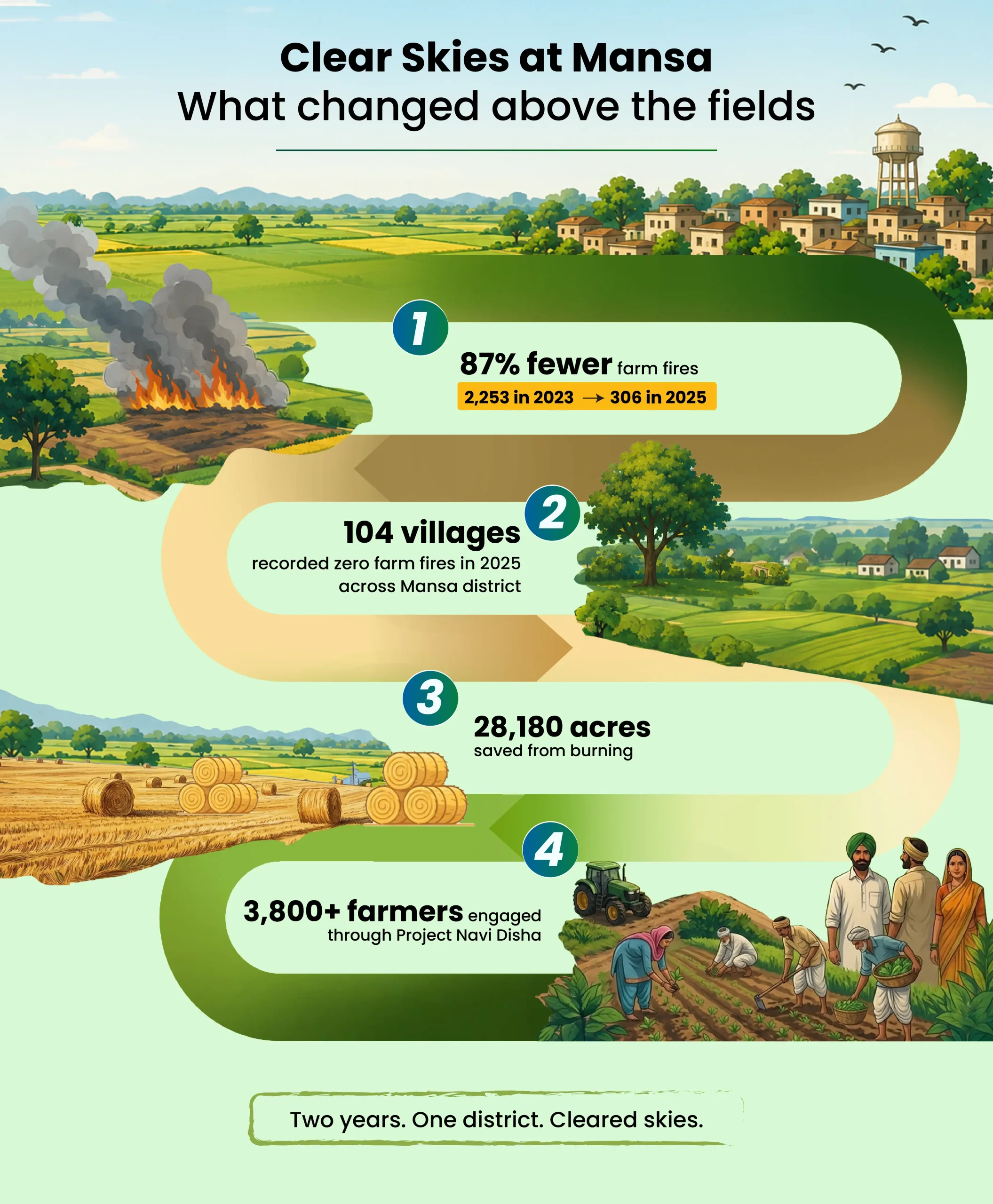
It has been our consistent endeavour to make stubble-burning prevention a long-term, sustainable model for the district. Talwandi Sabo Thermal Plant's 360-degree approach, supporting stubble management, enabling farmers to sell paddy straw rather than burn it, and converting this residue into clean energy, has played a significant role in this transition. The sharp decline in farm fires across the region reflects the impact of this collaborative effort.
Mrs. Navjot Kaur
I.A.S., Deputy Commissioner of District of Mansa, Govt. of Punjab
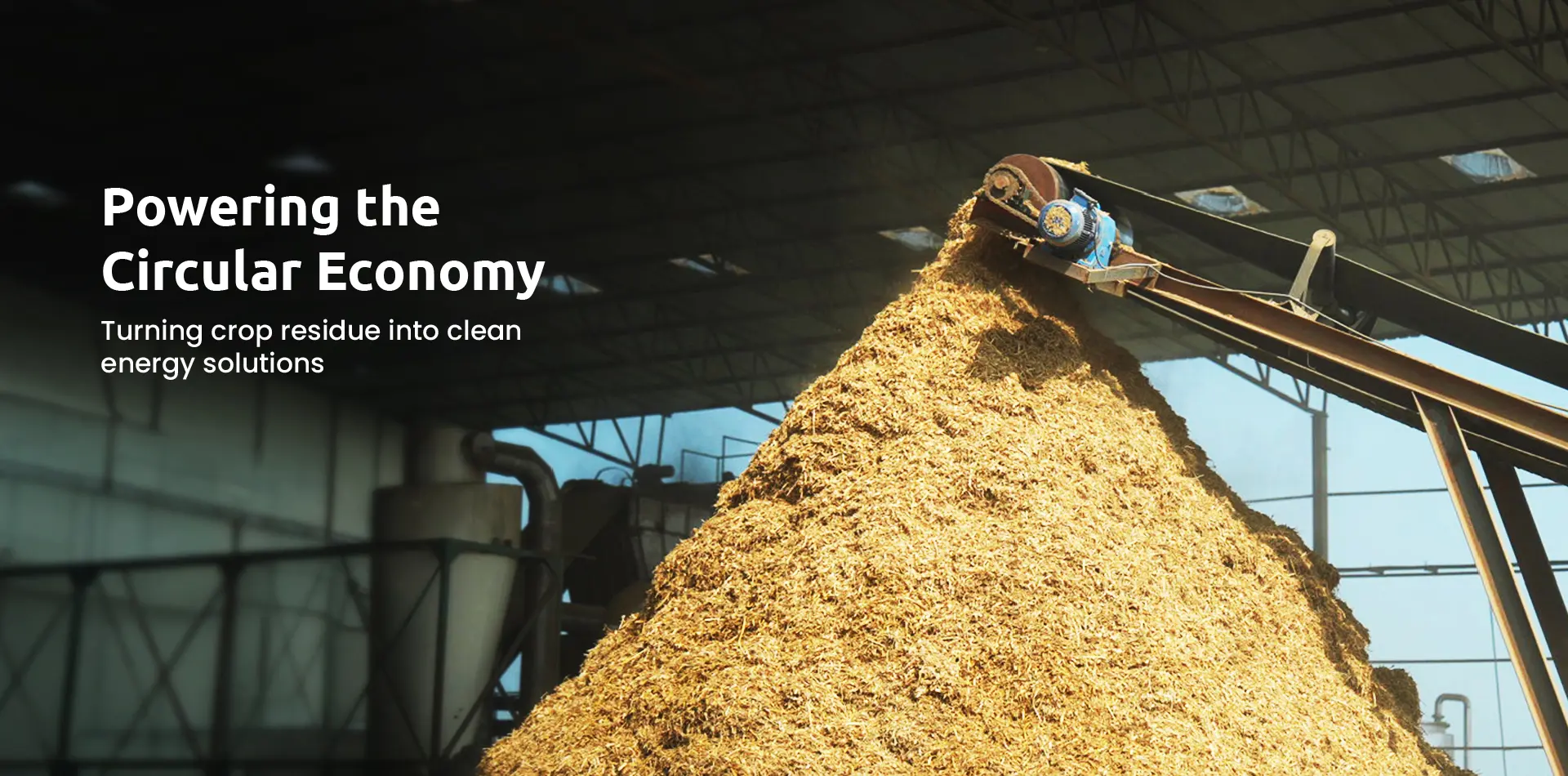
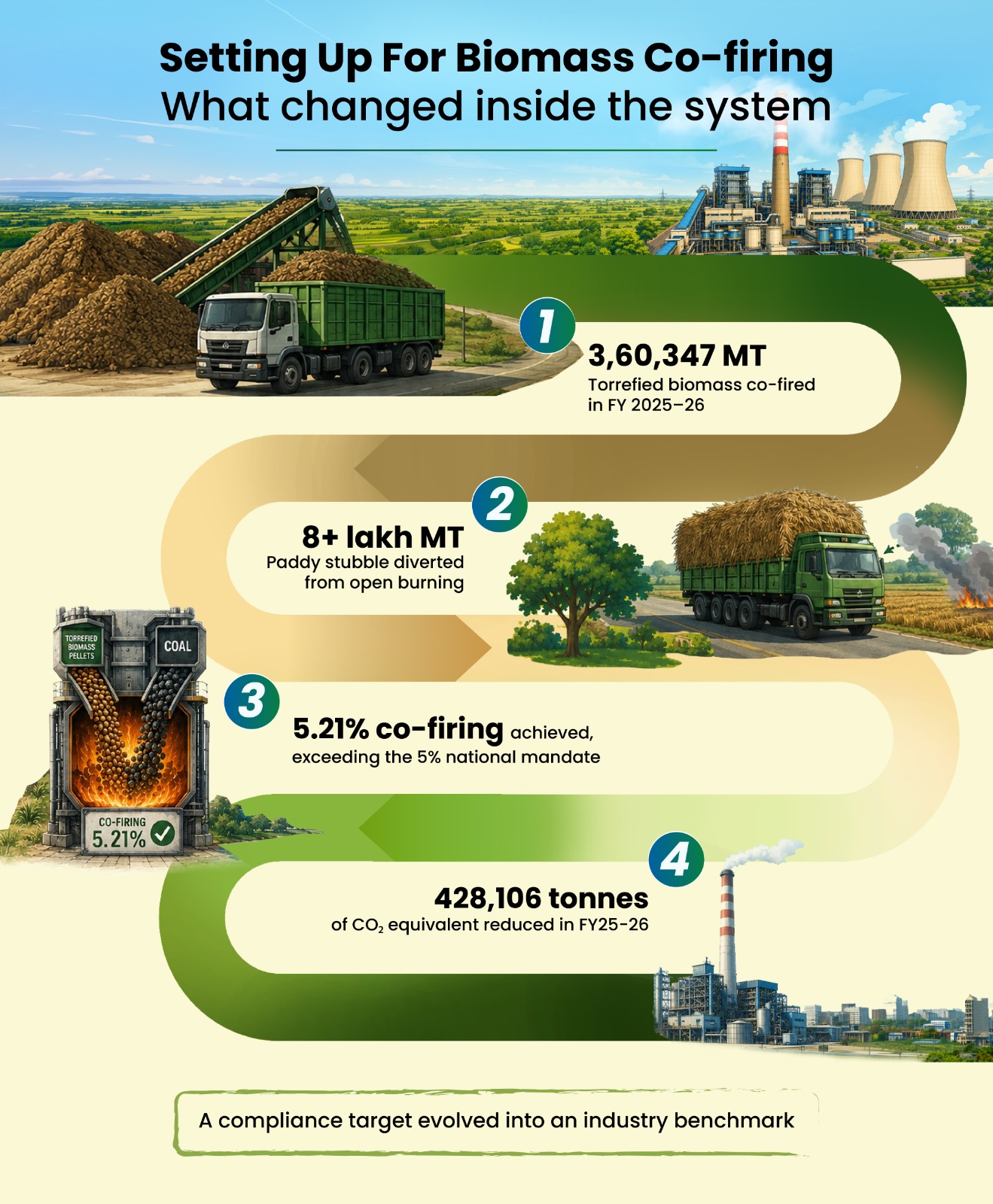
From burning fields to clean energy, the Stubble-to-Biofuel project has built a large-scale circular system, turning crop residue into power, farm waste into an economic opportunity and a regional compliance requirement into an industry benchmark.