
Communities at the Core of Our Operations
Our Corporate Social Responsibility approach is built on integrating community development into its operational footprint, ensuring long-term, measurable and inclusive growth aligned with regional needs.
- Communities integrated into business decision-making frameworks.
- Focus on long-term development over short-term interventions.
- Alignment to Sustainable Development Goals (SDGs).
- Structured programs designed for scale and measurable outcomes.
Targeted Interventions Across
Key Development Areas
Our approach to social initiatives are focused on core areas that drive sustainable community transformation and improve quality of life around our areas of operations.
Education
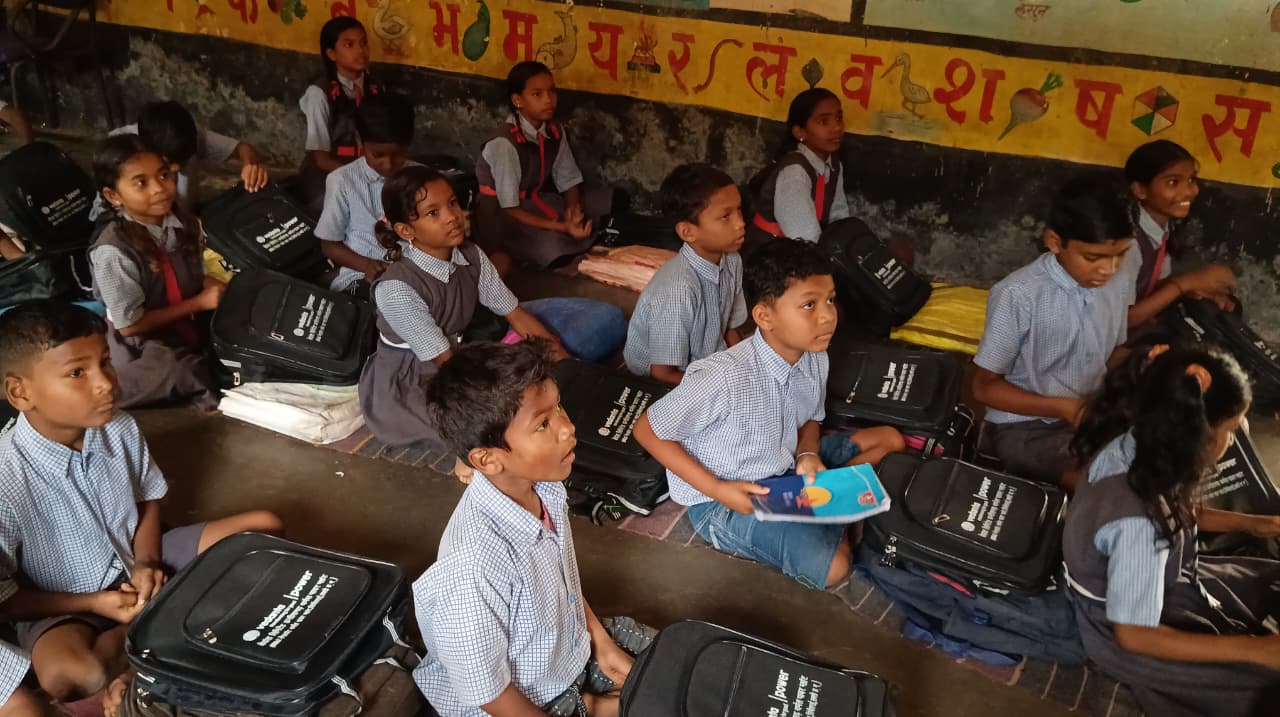
School infrastructure, learning programs and digital access.
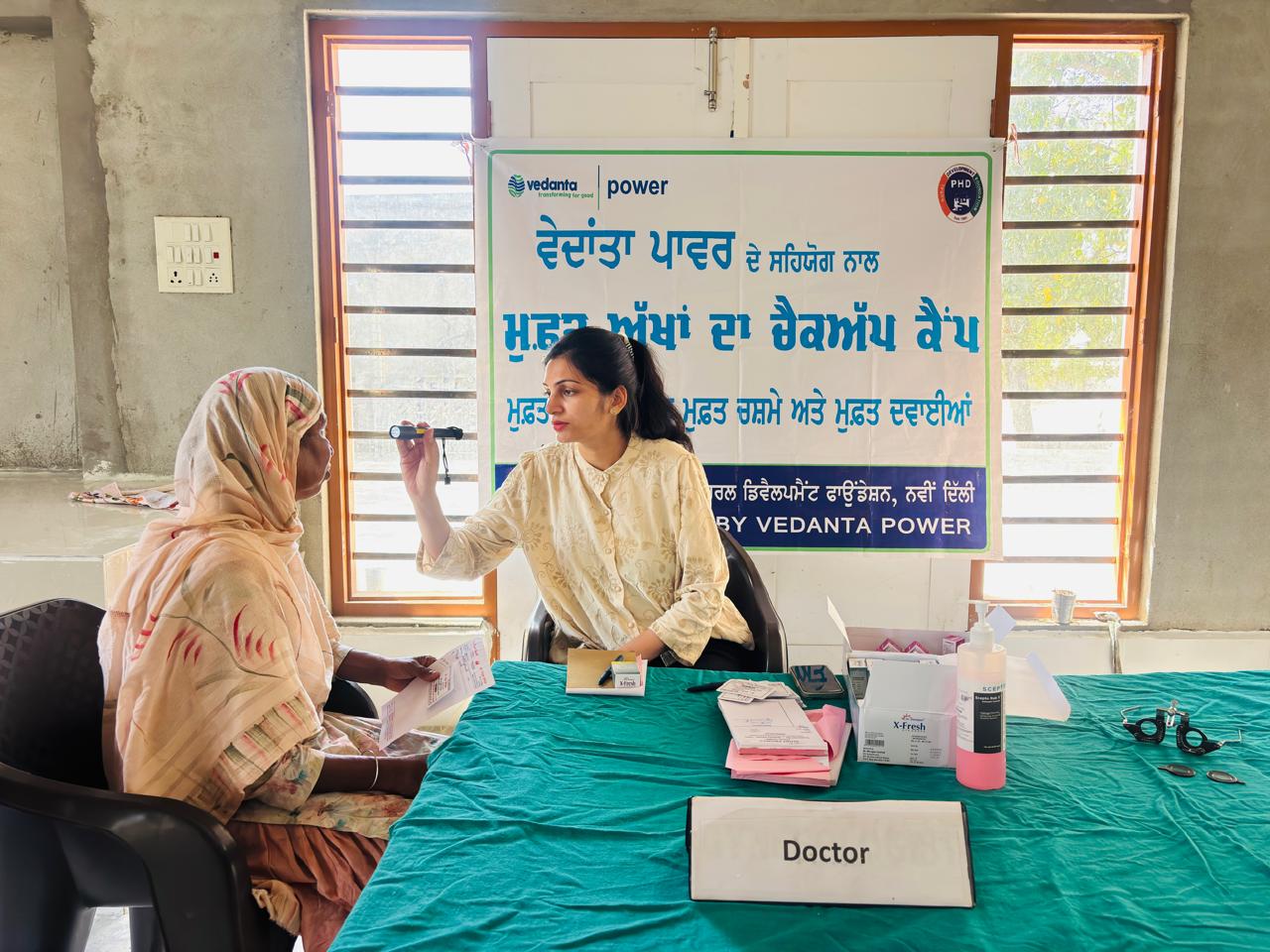
Healthcare
Primary healthcare centres, doorstep medical access and awareness programs.
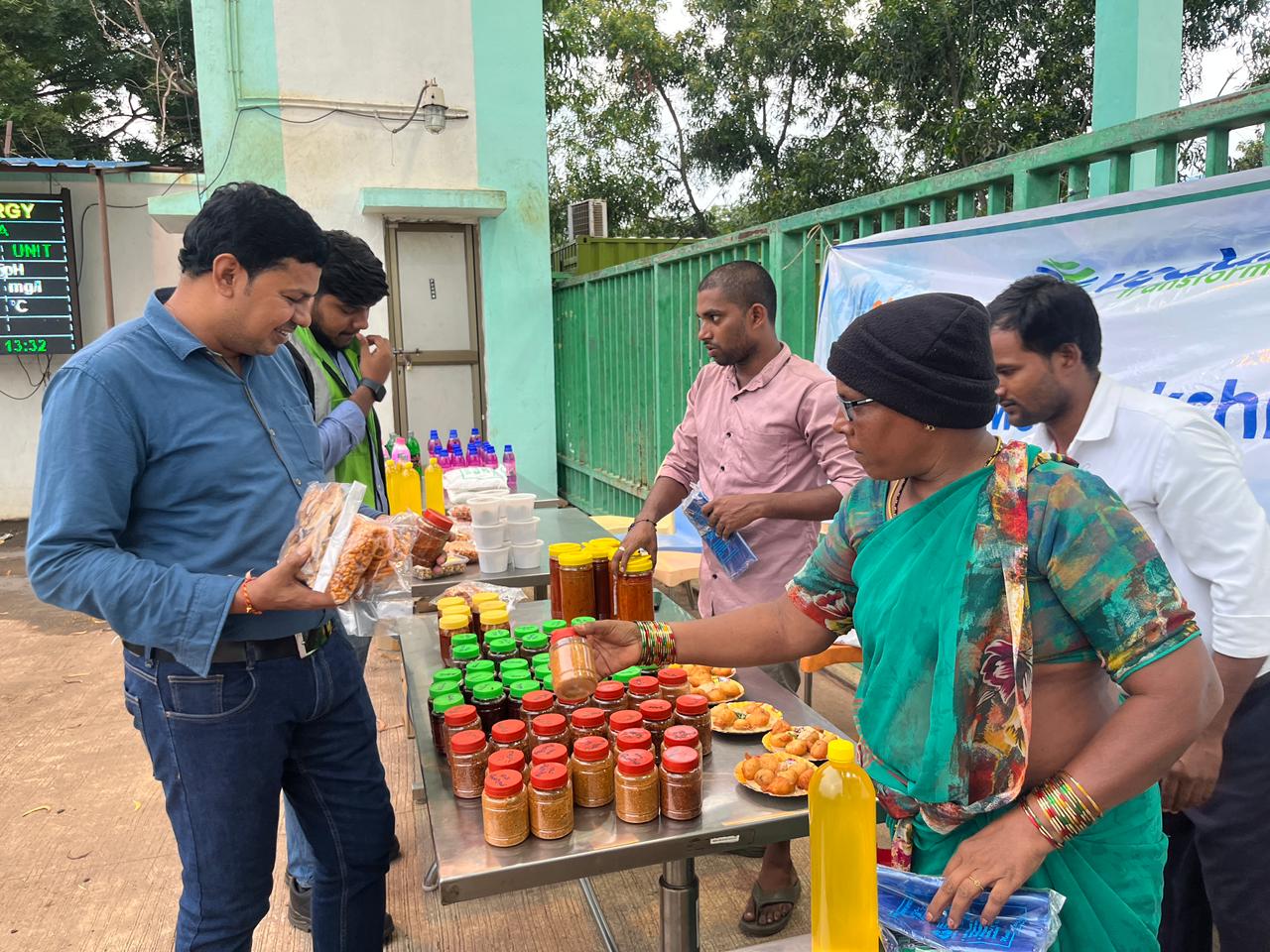
Livelihoods
Skill development, training, local employment, market linkages and rural empowerment.
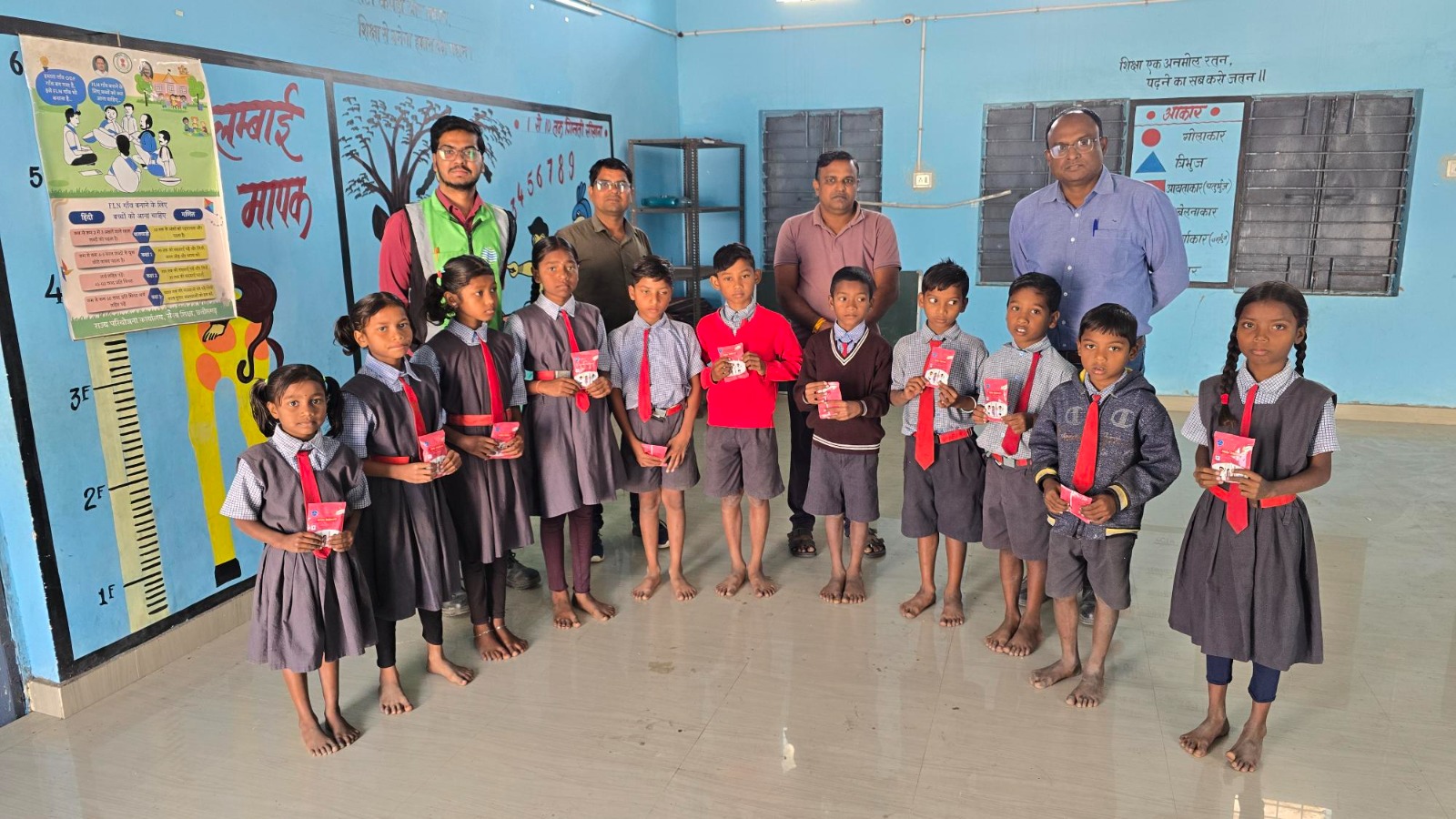
Women & Child Development
Nutrition, healthcare, education, skilling and welfare initiatives.
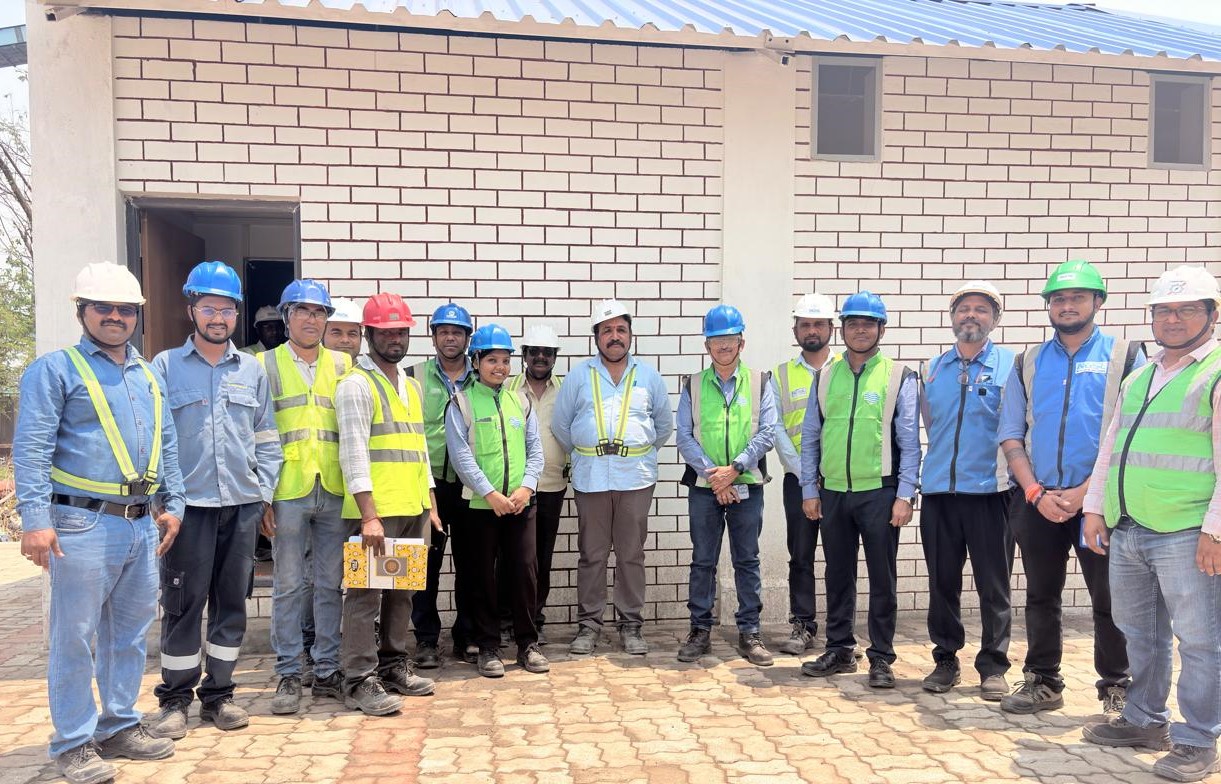
Community Infrastructure
Infrastructure and local development support.
Flagship Programs Driving On-Ground Impact
Our Corporate Social Responsibility initiatives are implemented through structured, scalable programs designed to deliver sustained community benefits.
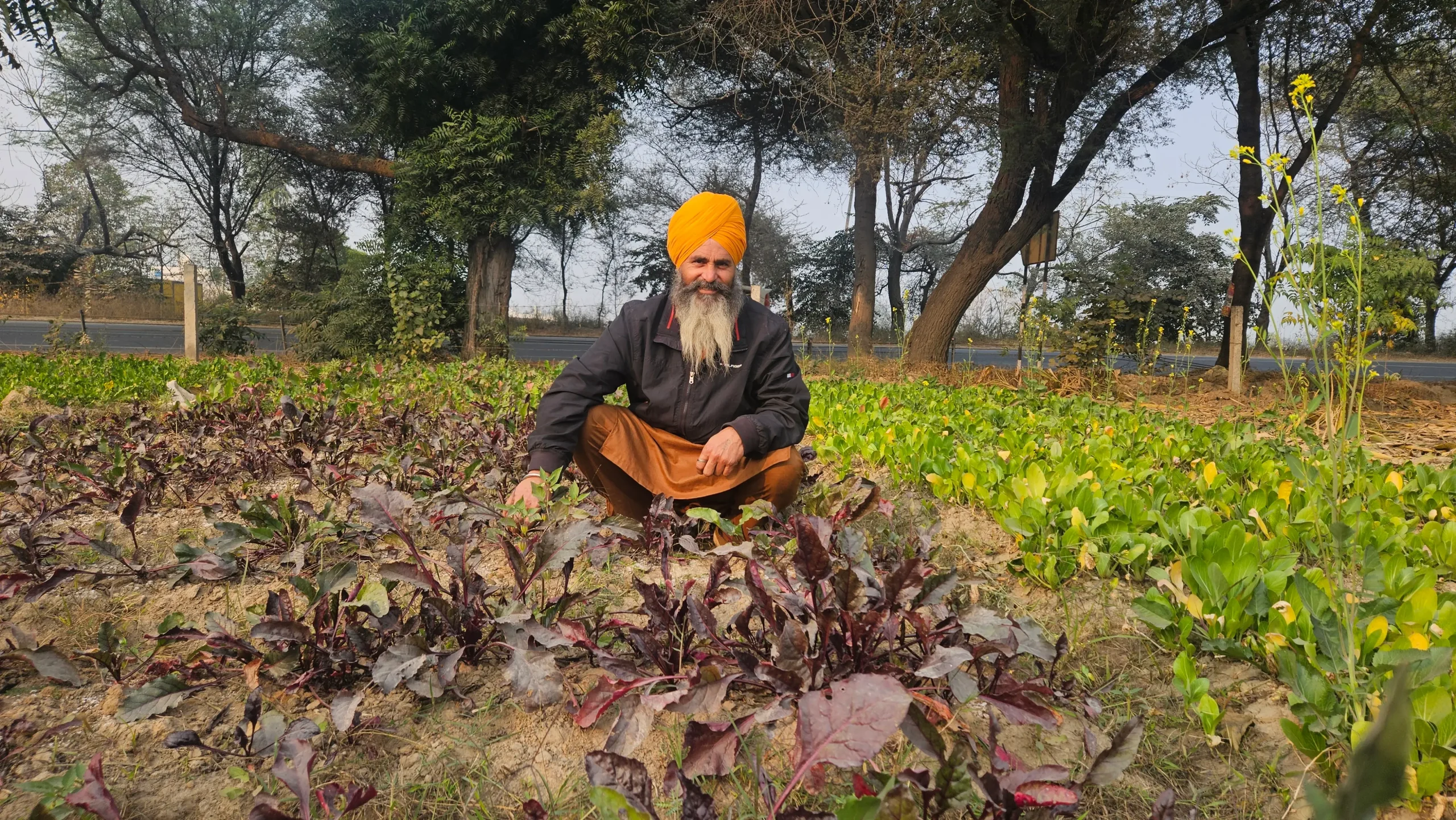
Project Navi Disha
Enabling sustainable farming and improved rural livelihoods through agri-tech adoption, mechanisation support, and responsible crop residue management practices.
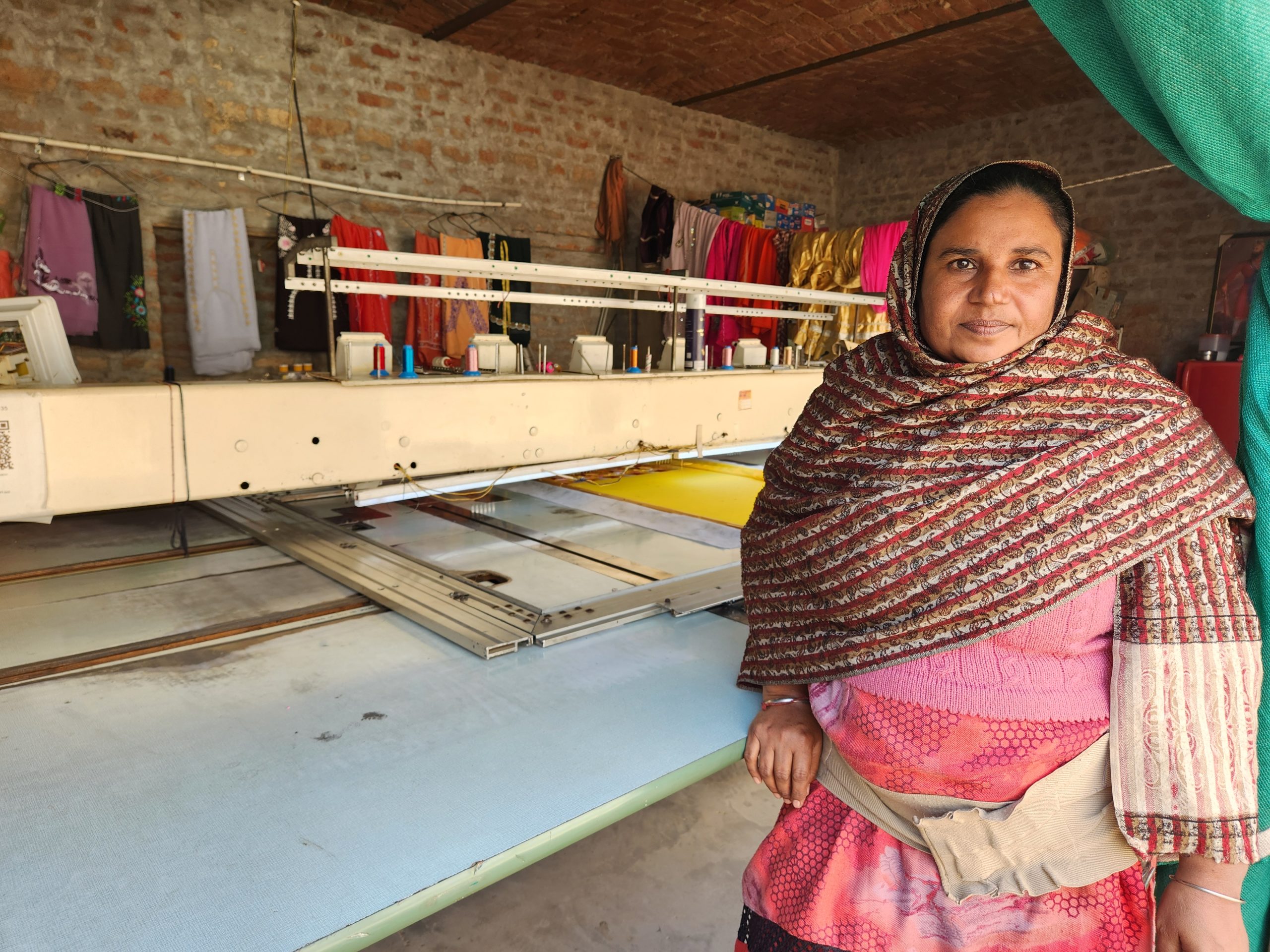
Project TARA
Skill development and entrepreneurship among women to enhance employability and income generation opportunities.
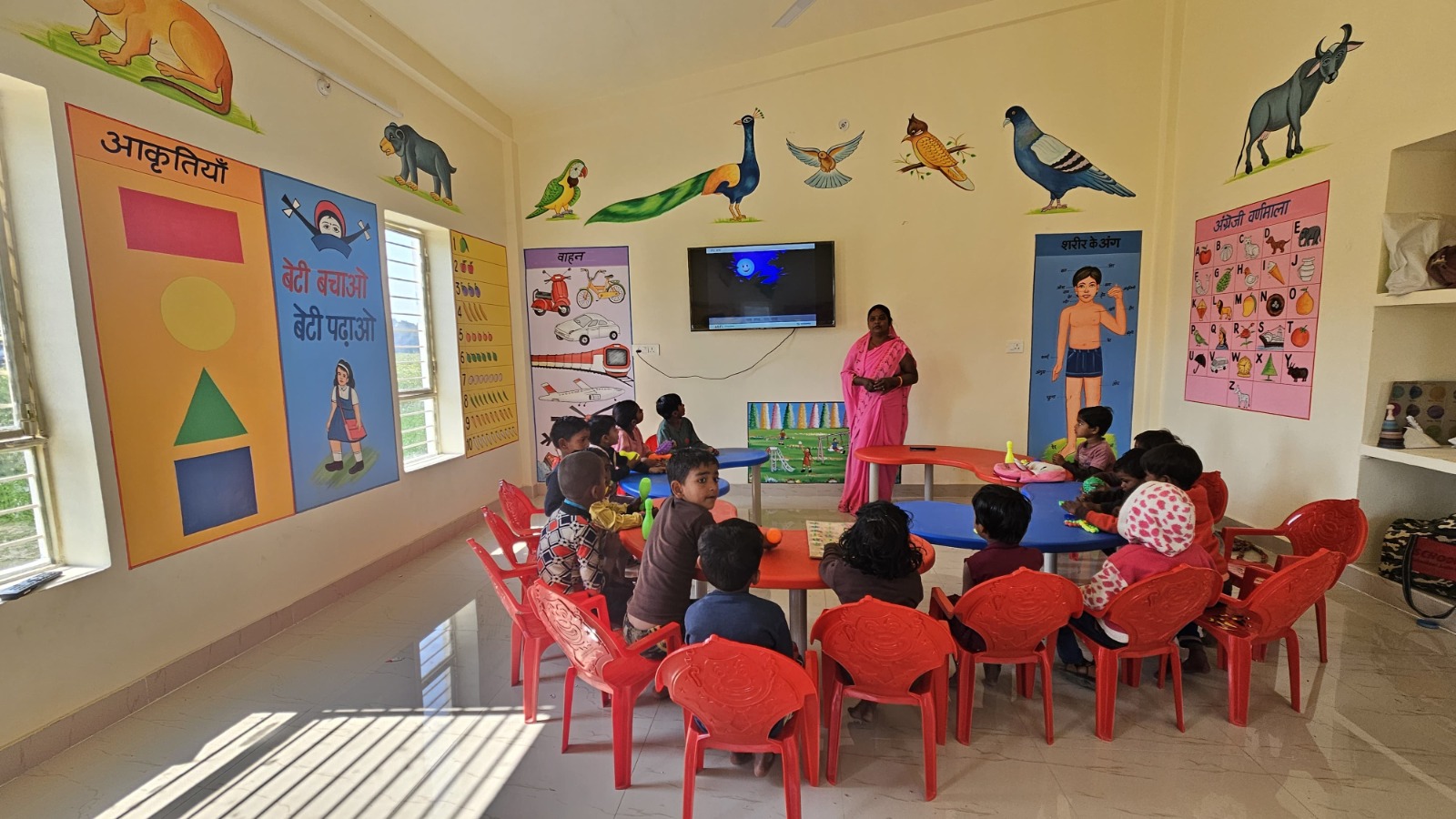
Nand Ghar
Integrated rural development centres focusing on women and child welfare.
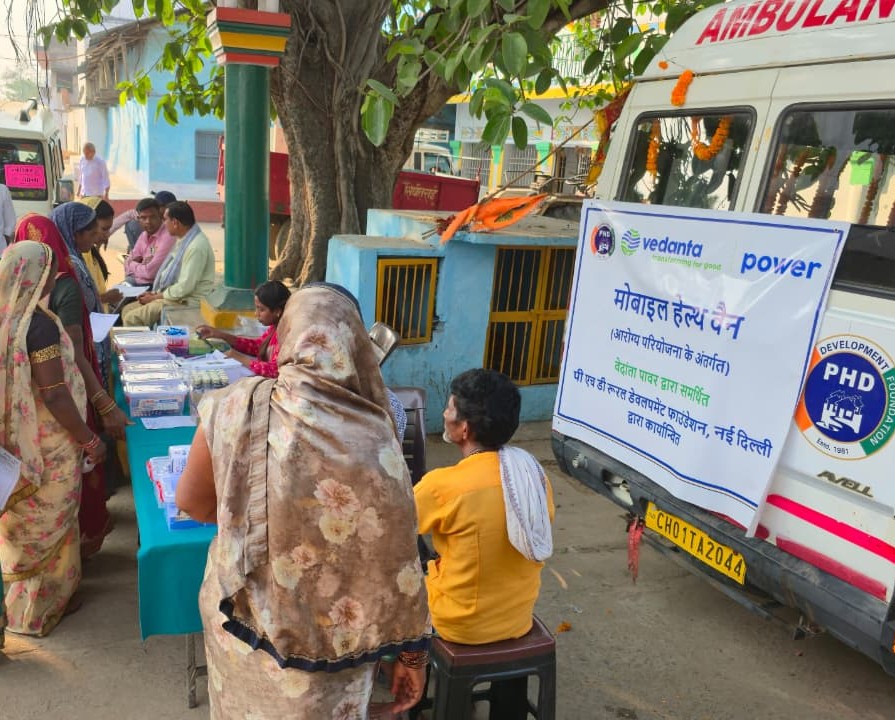
Project Arogya
Primary healthcare access through health camps, Mobile Health Units, supported by blood donation and menstrual hygiene awareness drives.
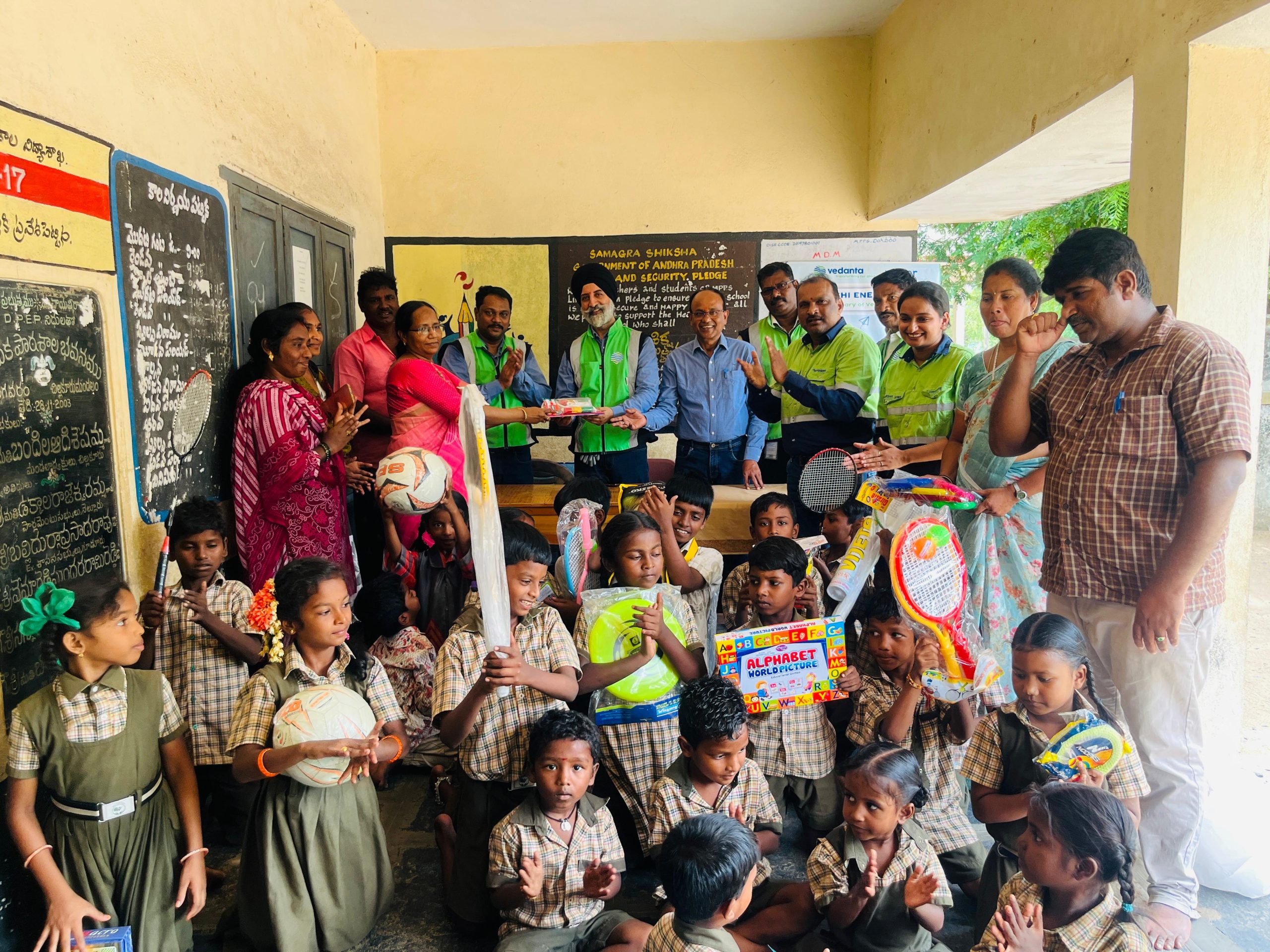
Project Vidya
Advancing education and youth development through learning & sports kits, career awareness sessions, and improved sports infrastructure.
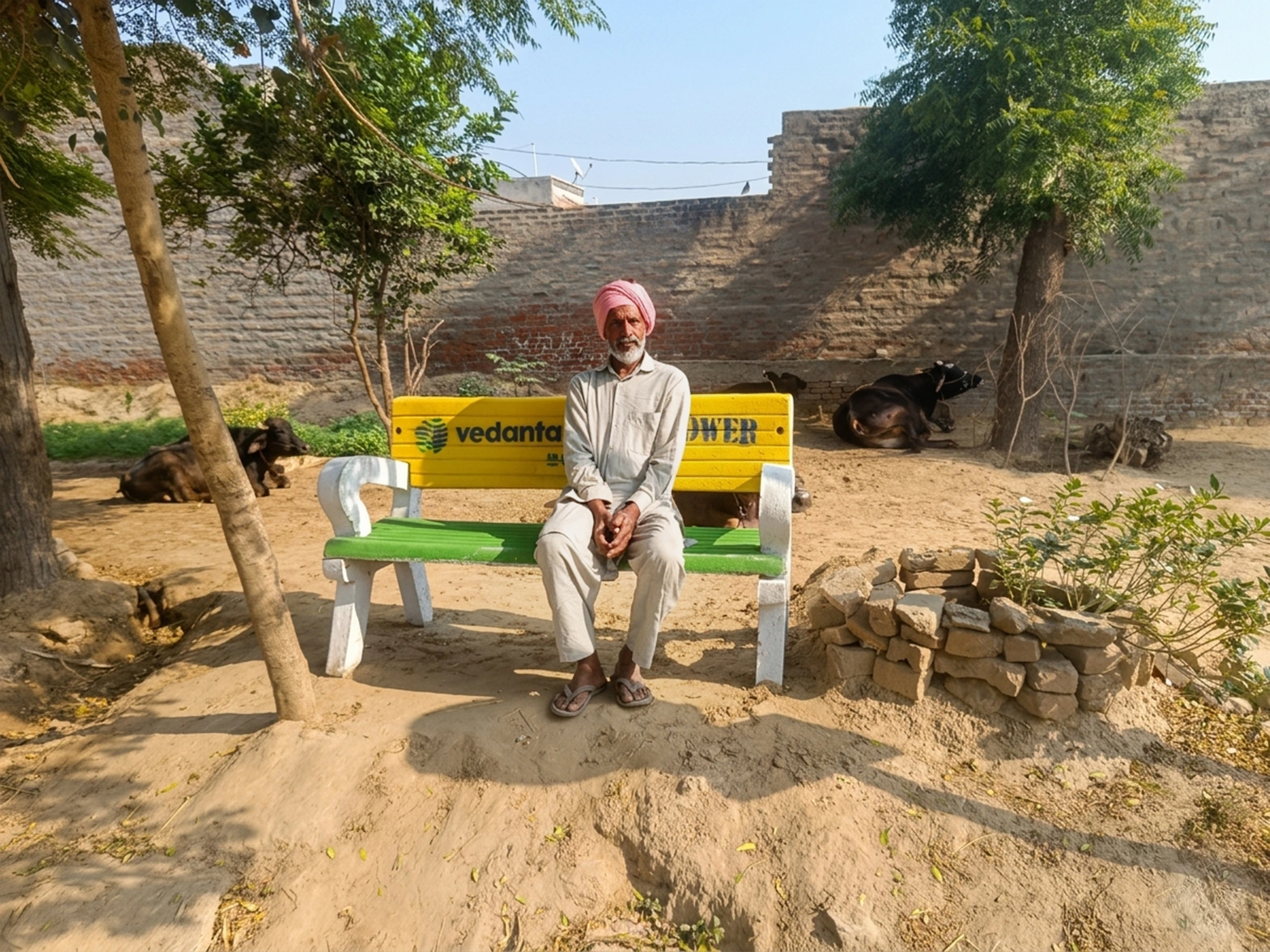
Gram Nirmaan
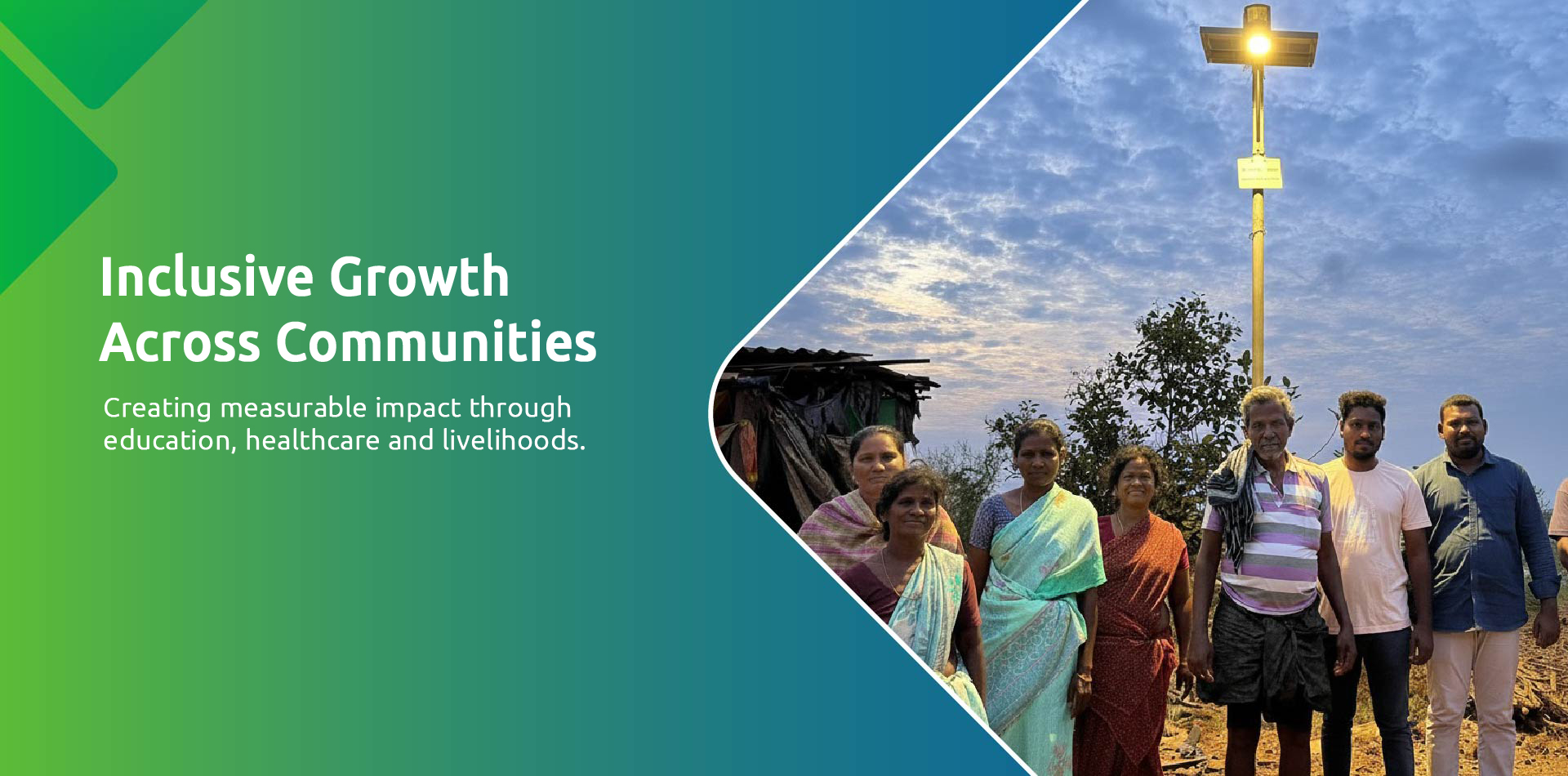
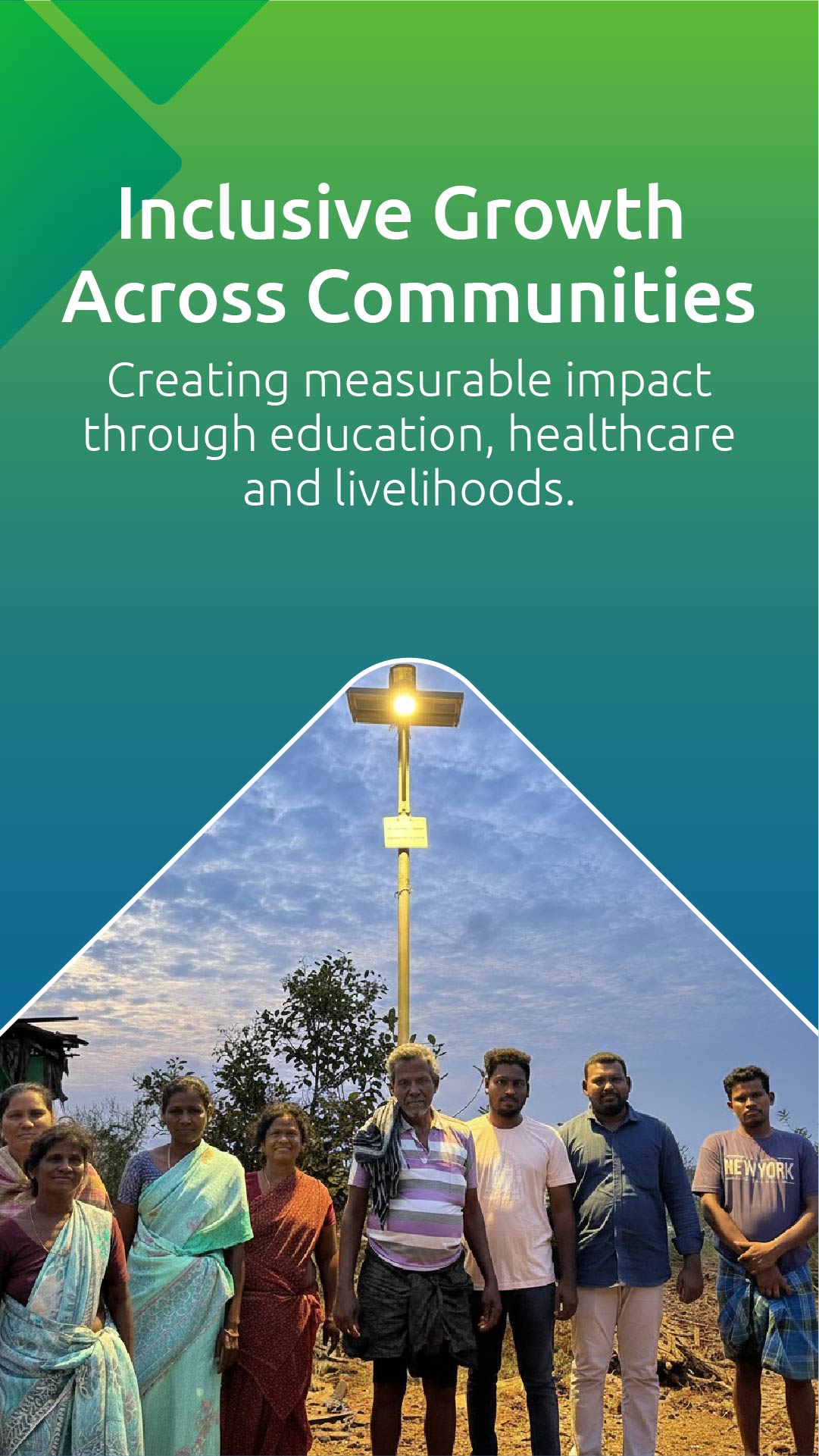
Building and strengthening community infrastructure by providing solar light and benches in villages for inclusive rural development.
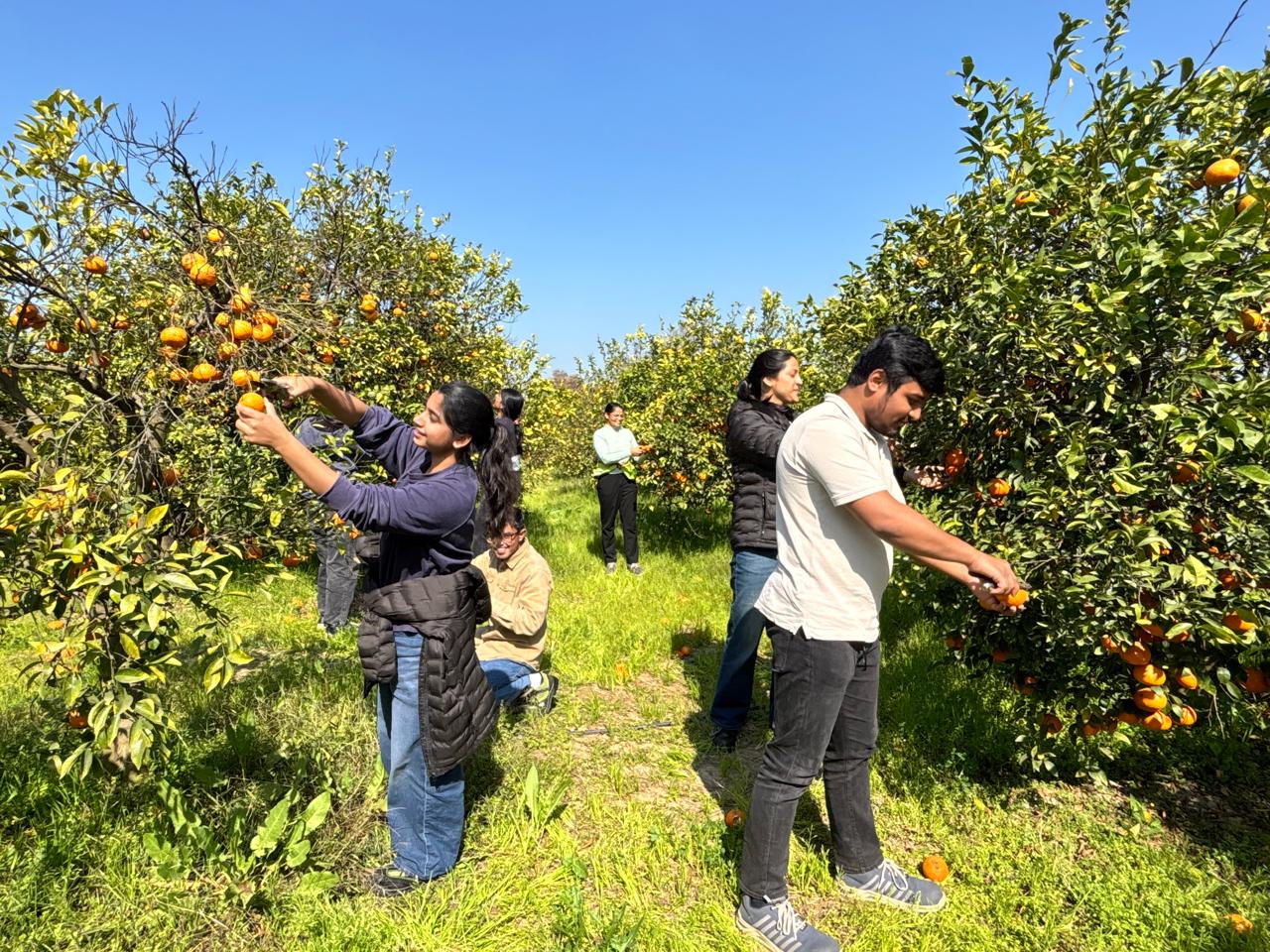
Employee Volunteering Programs
Fostering a culture of volunteerism amongst employees to support community welfare efforts.
Flagship Programs Driving On-Ground Impact
Our Corporate Social Responsibility initiatives are implemented through structured, scalable programs designed to deliver sustained community benefits.
Project Navi Disha
Enabling sustainable farming and improved rural livelihoods through agri-tech adoption, mechanisation support, and responsible crop residue management practices.
Project TARA
Skill development and entrepreneurship among women to enhance employability and income generation opportunities.
Nand Ghar
Integrated rural development centres focusing on women and child welfare.
Project Arogya
Primary healthcare access through health camps, Mobile Health Units, supported by blood donation and menstrual hygiene awareness drives.
Project Vidya
Advancing education and youth development through learning & sports kits, career awareness sessions, and improved sports infrastructure.
Gram Nirmaan
Building and strengthening community infrastructure by providing solar light and benches in villages for inclusive rural development.
Employee Volunteering Programs
Fostering a culture of volunteerism amongst employees to support community welfare efforts.
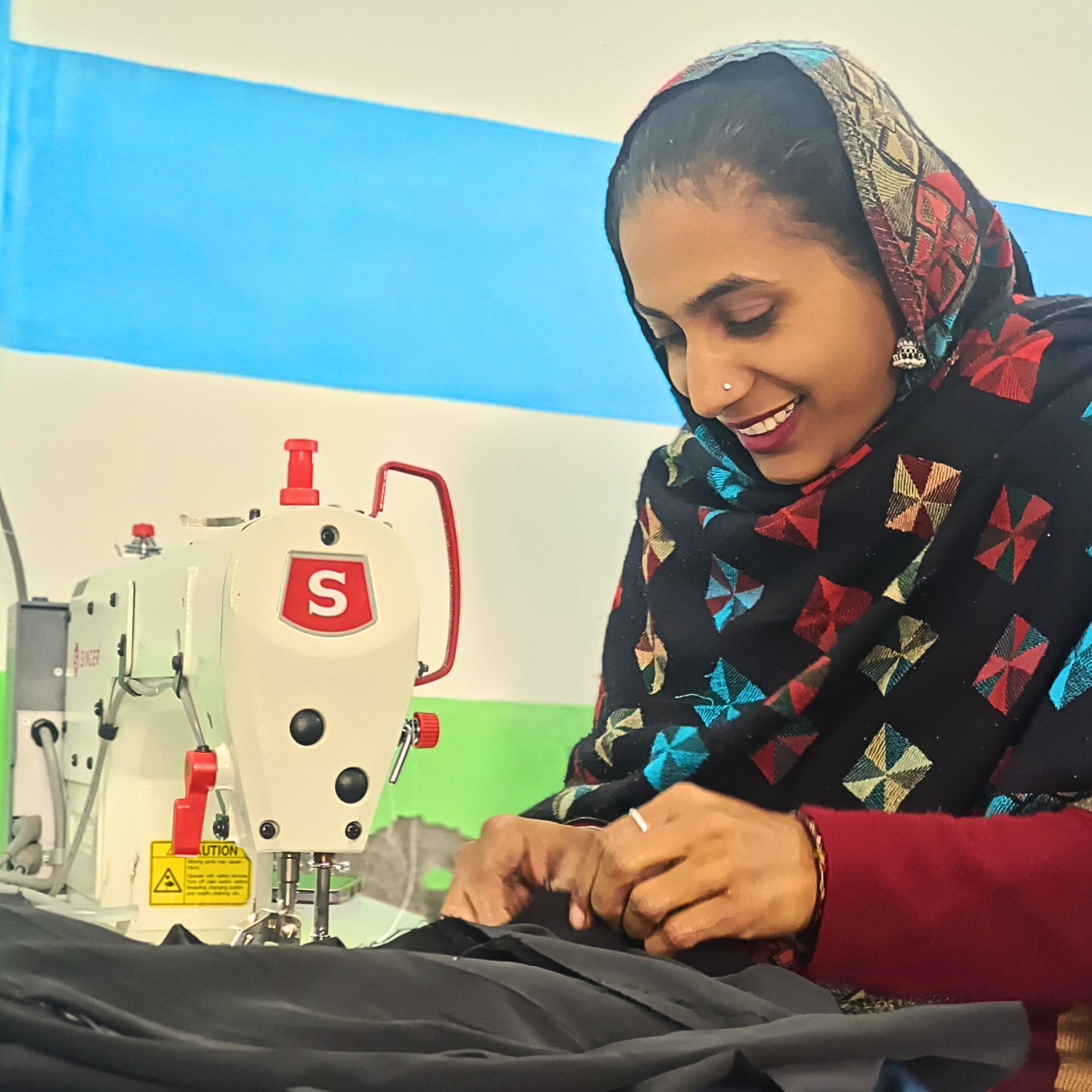
Stitching a Future with Hope and Empowerment
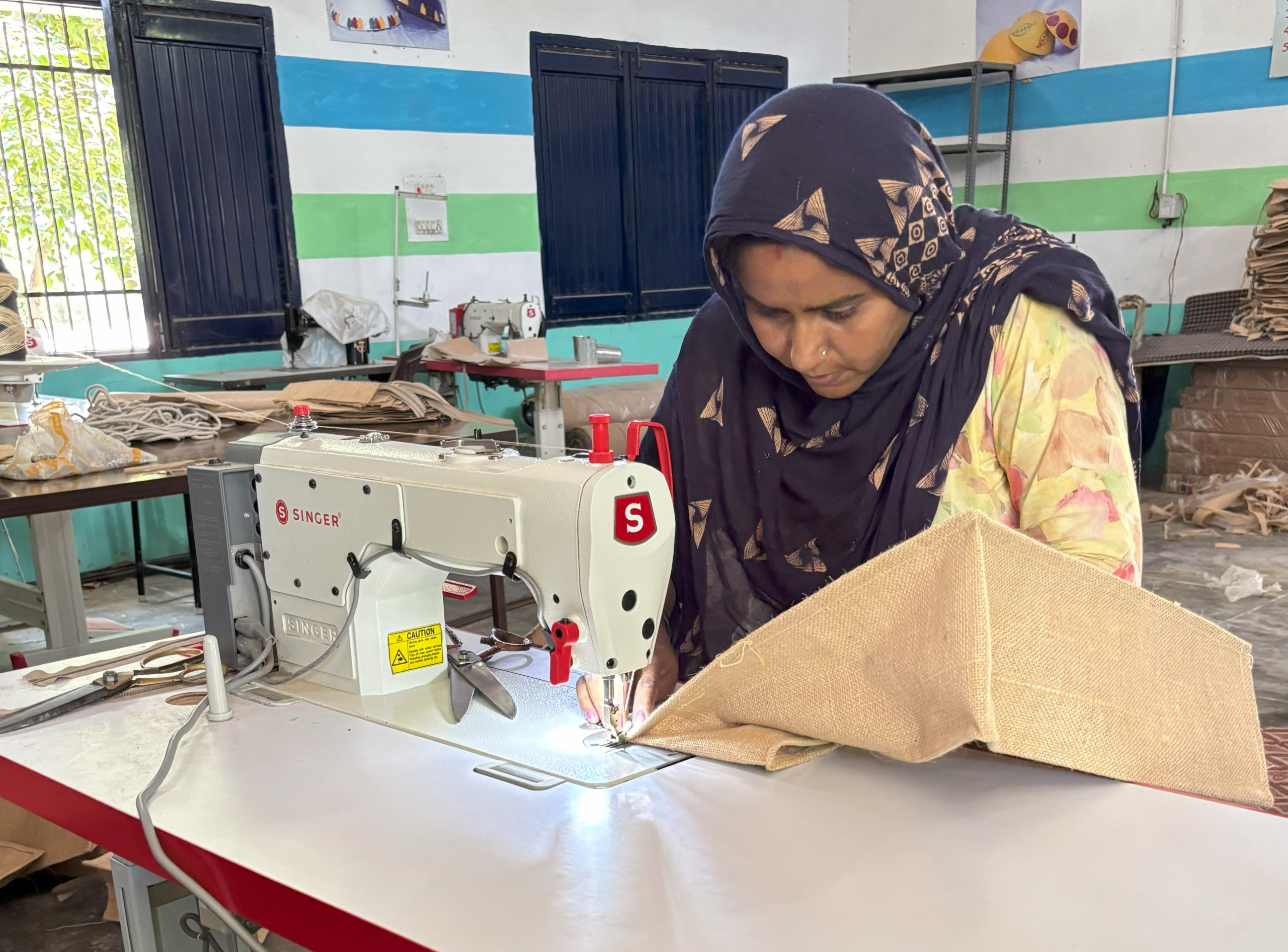
Sarabjeet words reflect the resilience that has carried her through life’s struggles. Living in Punjab’s Sadda Singhwala village with her husband, a daily wage labourer, Sarabjeet found herself trapped in a cycle of financial hardship. The weight of barely meeting basic needs left her feeling powerless, unable to secure a brighter future for her children.
That changed when she joined Project TARA’s stitching training program in July 2024. What began to support her family quickly grew into something much more, a path to self-empowerment. The skills she gained not only gave her the ability to contribute to her family’s income but also ignited a spark of confidence she had never known before.
From a quiet, reserved woman, Sarabjeet has blossomed into a leader at TARA, inspiring others with her newfound voice and strength. Today, she stands as a symbol of hope, with dreams of giving her children a future full of opportunity, a future she once thought was out of reach.
Sarabjeet’s journey is a powerful reminder that when given the right support, anyone can rise above their circumstances.
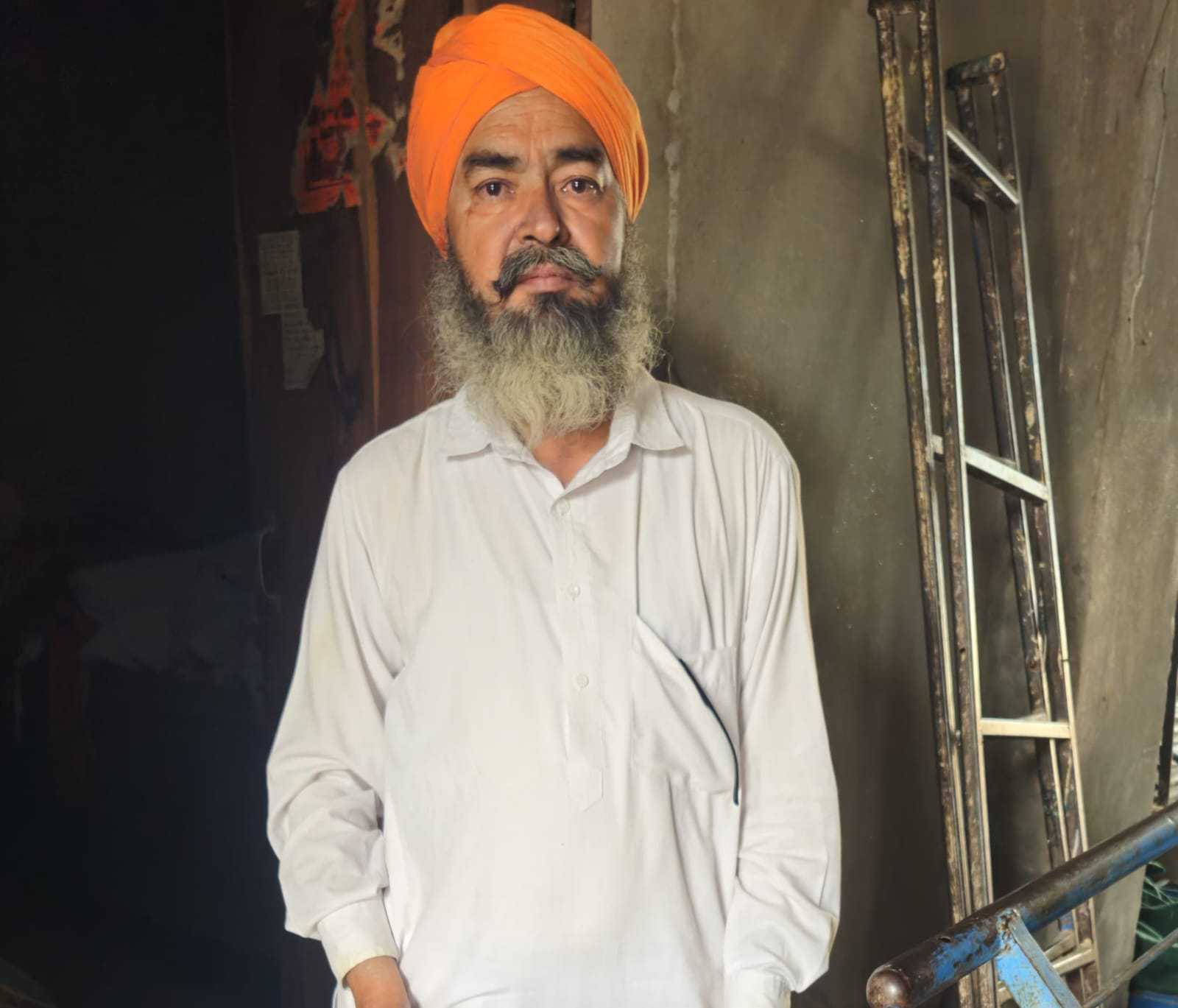
Sowing Change: Jagjit Singh’s Journey with Navi Disha
When Jagjit Singh first joined Project Navi Disha project in 2021, he set out with a simple goal — to grow chemical-free vegetables for his family. A progressive farmer from Punjab, Jagjit was open to new ideas, and with regular guidance from Talwandi Sabo Thermal Plant’s Project Navi Disha field staff, he slowly began to transform his approach to farming.
What started as a kitchen garden soon grew into something much more. Jagjit established a vegetable nursery and expanded his crops to include cucumber and sponge gourd. This shift not only ensured healthier food on his family’s table but also saved him around ₹45,000 over the past year in input costs across his 4.5 acres of land.
Encouraged by his progress, Jagjit took another leap, this time into onion seed production, supported closely by Talwandi Sabo Thermal Plant. Through Navi Disha’s market linkage initiatives, Jagjit now sells directly in local markets using canopy stands provided under the programme, ensuring better returns and a stronger connection with the community.
“The continuous support and handholding have truly made a difference,” he says. Jagjit Singh’s story is one of many. Through Navi Disha, farmers like him are building more sustainable livelihoods and inspiring a quiet revolution in agriculture, one field at a time.